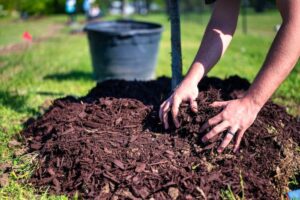
How much do you know about mulch, really? We all know it works as a protective layer for the soil, plants and trees in our gardens. But there’s a lot of information the average person may not come across, including the different types of mulch, their various benefits and drawbacks, and how to get the most out of your mulch.
At Uppercut Tree Services, we love some good mulch – with a dedicated wood chipper to prove it! If you are creating a new garden and shopping for mulch, or just need a quick refresher, read our guide below.
For personalised advice or to buy some fresh mulch from us, contact our team at Uppercut Tree Services today.
The Many Benefits of Mulch
In a moment, we’ll explore the different types of mulch, including organic mulch, inorganic mulch, and living mulch. But first, let’s run through just some of the many roles mulch can fill in your garden.
Soil enricher: Wood chips, straw and other organic mulches slowly break down and enrich the soil with a range of nutrients. This process improves the structure and quality of the soil, nurtures beneficial microorganisms and earthworms, and makes your garden less vulnerable to disease and pests. Of course, it also helps your plants grow and retain more vitamins.
Water retainer: Mulch helps lock in moisture by shielding soil from sun and wind, thereby reducing evaporation. You won’t need to water your garden as frequently, which is good for the environment, and your wallet.
Temperature regulator: Mulch reduces heat-related stress on soil and plant roots, and protects soil against frost in the colder seasons.
Natural weed barrier: Mulch stops weeds in their tracks by blocking the sunlight they need to germinate and grow. Without competition from weeds, your plants have a greater chance of surviving and thriving.
Plant and insect protector: Mulch shields plants and seedlings from a variety of harm, including too much sun, or water and mud splashes. It can also provide a home for plant-friendly bugs.
Time and money saver: With mulch in place, you won’t need to devote as much time, effort and money towards other watering or cultivating activities.
Home enhancer: With all these benefits and more, mulch can improve the aesthetic appeal of your garden and overall property.
Organic Mulch
With our love of mulch firmly established, let’s go through the three main types of mulch. The first on our list, and probably the most well-known, is organic mulch.
Organic mulch describes materials that were previously living organisms and will decompose over time. It’s the most popular choice for Australian gardens.
Types: Hay and straw (including pea and stable straw), wood chips and barks (including pine and eucalyptus), lawn clippings and fallen leaves, sawdust and damp newspapers, and even sugar cane.
Advantages: Many types of organic mulch are known to lock in soil moisture, stop weed growth, nurture beneficial soil organisms, moderate changes in soil temperature, protect plant roots from extreme temperatures, and add visual appeal to your garden. Other benefits vary from one type of organic mulch to the next. For instance, eucalyptus wood chips have the unique appeal of being a natural insect repellent.
Disadvantages: Wood chips of all varieties are often a popular choice, but it’s worth noting that pine bark chips can be too acidic and off-putting to some plants, and also sometimes compete with plants for nitrogen during the decomposition process. Eucalyptus wood chips have a strong aroma that can be off-putting. Treated wood chips are non-biodegradable, so they don’t help with soil fertility.
Which gardens they suit: Organic mulch has a wide range of benefits that make it suitable for many different gardens. We recommend trying our fresh organic mulch, repurposed from tree branches and miscellaneous plant debris generated by our tree removal and maintenance services.
Inorganic Mulch
Inorganic mulch consists of non-living materials such as crushed rocks, pebbles, and gravel. Unlike its organic counterpart, inorganic mulch does not decompose or break down. It lacks many of the benefits of organic mulch but is still a popular choice due to its low-maintenance nature and aesthetic appeal.
Types: Rocks, pebbles, gravel, sand.
Advantages: Inorganic mulch shares some of the advantages of organic mulch, including its ability to lock in soil moisture by reducing evaporation, and suppressing weeds by blocking sunlight. However, unlike organic mulch, it’s largely resistant to elements like wind and erosion and is by definition more long-lasting. It also adds a distinctive visual appeal to gardens, with many different colours and textures available.
Disadvantages: These types of mulch lack the nutrients or matter needed to enrich the surrounding soil. They also have a tendency to hold onto and spread heat, which may affect the health of nearby plants and soil. Plus, they can be challenging to walk or play on and are not always easy to amend or move around if you are adding plants or changing your garden layout.
Which gardens they suit: Inorganic mulch may be the perfect choice if you’re looking for extra visual appeal and long-term, easily managed ground cover.
Living Mulch
Like organic mulch, living mulch is also made from organic material. The key difference between the two is living mulch is, well, still living. These mulch types are often native plants that grow low or stay low to the ground.
Types: Native violet and daisies, fan flowers, or prostate (low-lying) versions of banksias, grevilleas, casuarinas, and honey myrtle… just to name a few!
Advantages: Like organic and inorganic varieties, living mulches can halt weed growth, insulate the soil surface, and retain moisture while also protecting roots from heat damage. They are also great for holding ground together and preventing soil erosion. Plus, they tend to look great!
Disadvantages: Many living mulches are only native to some areas, and may require specialised knowledge or expertise to manage properly. Also, where used to support other plants, they may compete for water and nutrients.
Which gardens they suit: With their ability to protect against heat and retain water, living mulches are well-suited to hot climates. They can be a great choice for areas prone to bushfires. They are also well suited to steep banks or sloping areas, where they help keep the ground intact.
We’ve Got Mulch For Sale and Delivery Across the Mornington Peninsula
At Uppercut Tree Services, we have a healthy respect for mulch and all its benefits. Customers hire us and our wood chipper to make organic mulch with tree branches or debris of their choice, and we also frequently produce and deliver our own ready-made mulch to locations across the Mornington Peninsula.
There is a lot to know and discuss with mulch, including which mulch type is best suited to your garden, and what to look for when you buy it. If you’d like to know more about the above services or just chat all things mulch, get in touch with our friendly and knowledgeable team below.
Jack is the owner of Uppercut Tree Services. He is the third generation of a family of tree loppers and prides himself on delivering professional and safe tree solutions across the Mornington Peninsula.